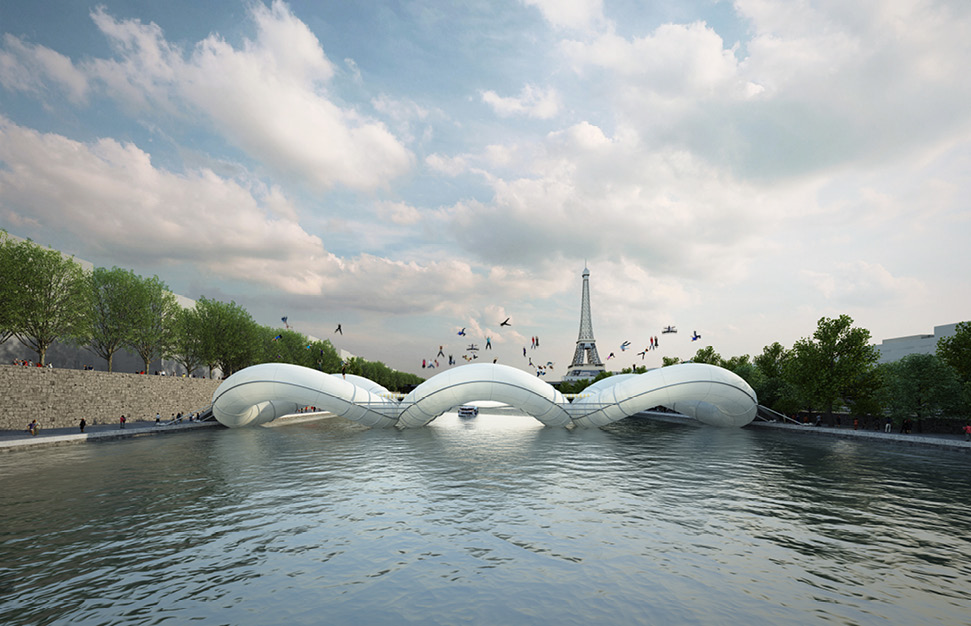
Property Developers & City Councils Fail To Build Iconic Buildings
March 15 2012
Over the past seven years, at our creative agency, Access, we have worked with a number of residential and commercial property developers from Abu Dhabi to Sydney, helping them with development and strategy.
Yet we see so often the sad sight of yet another mediocre building going up. We see city councils approving mediocre design and we see cities looking uglier because of it. We see property developers rushing to get their building up, wanting to make a quick sale and profit, and not really caring or thinking about the aesthetics of the building.
Does the building enhance the surrounding area or make it worse? Will the building still look great 10, 15 or 20 years from now? Will it become an iconic landmark and a beloved site, or will it become a dated gimmick?
What will the resale value be down the track? Will anyone want to live in or buy property like it?
Property developers — and city councils — need to wake up and realize their influence on the cityscape and take that role seriously. This is the case not just for residential development — the same applies to office buildings, hotels and all public buildings in general.
As a developer and as a city council, do you want to be known as an organization that values and understands design and creates iconic developments? Or will you be known as the ones who created eyesores, or worse, caused a devaluation of an entire area or neighborhood?
The aesthetic of a building should be the Number One priority. There is not much point in creating and promoting beautiful interiors when the exterior tells a different story. The whole building should tell a cohesive story.
So many developers do not see the value, or even think about the aesthetics of the car park, for example. Would it hurt to splash some colour and graphic design on the concrete? Would it hurt to make the lifts and foyer more like those of a great hotel and less like a jail or a warehouse?
What amenities does the building provide? Is there a café, a library, a car wash? Engage us and wow us to the point that we cannot wait to sign on the bottom line! Excite us enough that when you go to market, so much buzz has been created that the units sell in 24 hours and at the price you asked for.
If a building is desirable and unique, and offers something truly beautiful, trust us, consumers WILL buy. It’s a no brainer, yet so many buildings keep going up that do the absolute minimum. They may tick off a few boxes and get the interior right, but not the rest. It’s not enough.
Every day, I am inundated with material from PR people and developers about new projects. Literally hundreds of submissions a day. So, over the past seven years, I have seen everything. And believe me, so have consumers.
Your potential buyers, the couples and the mums and dads and even grandparents are design conscious these days. The internet has opened everyone’s eyes to what is possible. People browse sites all over the globe, they learn, they engage in design. Design is no longer a closed shop. It is everyone’s.
Kids growing up now understand that design plays a crucial role in everything they consume, from the car they buy to the clothes they wear, to the headphones they listen to, to the cookware they cook, to the hotels they stay.
My advice to developers and city councils: Save yourself a lot of money, time and headache, and get it right the first time! Take design seriously now and you will be glad you did. - Bill Tikos